Funding for this study was provided by 3M. 3M was not involved in the collection, analysis, and interpretation of data and the preparation, submission, and review of this manuscript. Cameron-Watson concluded that passive disinfecting caps facilitate a consistent technique for the decontamination of NFCs, ensuring they are disinfected and dried (the kill time) for the correct time period. It has also been suggested that surface disinfection of needle-free connectors is not intuitive which may lead to non-compliance [5]. DeVries M, Mancos PS, Valentine MJ. Relying on the manual scrub-the-hub technique seems flawed as it relies on the health professional cleaning the NFC effectively for the required time every time it is used. In addition, care bundles also, of course, rely on compliance (Chopra and Shojania, 2013; McGuire, 2015; Simon et al, 2016). Moureau NL, Marsh N, Zhang L Evaluation of skin Colonisation and placement of vascular access device exit sites (ESCAPE study). Brooks N. Intravenous cannula site management. Indeed, no differences in log10 CFU reductions between these devices were observed. Menyhay and Maki described such a device containing 2% chlorhexidine gluconate (CHG) in 70% isopropyl alcohol (IPA) in 2006 [6]. We would like to thank Karen Burgess for her assistance in the laboratory. Hakko E, Guvenc S, Karaman I, Cakmak A, Erdem T, Cakmakci M. Long-term sustainability of zero central-line associated bloodstream infections is possible with high compliance with care bundle elements. Needle-free connectors were immersed into bijous containing 1mL of neutralizing solution consisting of 30g/L Tween 80, 30g/L saponin, 3g/L lecithin, 1g/LL-histidine, 5g/L sodium thiosulphate in tryptone sodium chloride (all VWR International). 2022 BioMed Central Ltd unless otherwise stated. This website is intended for healthcare professionals, Advanced Nurse Practitioner, Vascular Access and IV Therapy Lead, Frimley Health NHS Foundation Trust, View
TSJE and TJK have received honoraria from 3M for attendance at advisory board meetings and presentations at symposia. Lavery I, Ingram P. Venepuncture: best practice. Following contamination with S. aureus, 54 of each type of needle-free connector were cleaned as above for 15s with a 2% (w/v) CHG in 70% (v/v) IPA wipe and allowed to dry for 30s. These were then incubated for 7 days at 20C and then cleaned again with a 2% (w/v) CHG in 70% (v/v) IPA wipe prior to microbiological sampling. 2012;40(10):9314. In: Proceedings of the APIC annual conference, vol 39. 2016. Reducing the degree of colonisation of venous access catheters by continuous passive disinfection. An overnight culture of Staphylococcus aureus National Collection of Type Cultures (NCTC) 6538 on tryptic soy agar (Oxoid) was used to prepare a 1108CFU/mL suspension in tryptone sodium chloride (1g/L tryptone [Oxoid], 8.5g/L NaCl [Sigma-Aldrich] in distilled water) containing 3g/L bovine albumin faction V [VWR International] and 3ml/L defibrinated sheep blood [TCS Biosciences] in accordance with BS EN 16615:2015 [13]. The evidence summarised above clearly indicates that the use of passive disinfecting caps on NFCs can significantly reduce CLABSI rates. The cap is compatible with the existing luer NFCs available on the market. In: Salim A, Brown C, Inaba K, Martin MJ. An in vitro comparison of standard cleaning to a continuous passive disinfection cap for the decontamination of needle-free connectors. BD PureHub Disinfecting Cap Design Verification and Sterilization Validation. The manual disinfection of NFC requires a multi-step approach, but the technique and length of time required for manual disinfection are open to interpretation. The above evidence demonstrates that CRBSI rates can be significantly reduced with a high level of adherence to guidance on NFC disinfection. 2016. s7*~ tk0a`Y v;nXBT1z ;Y'D
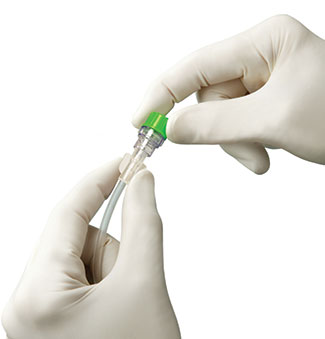
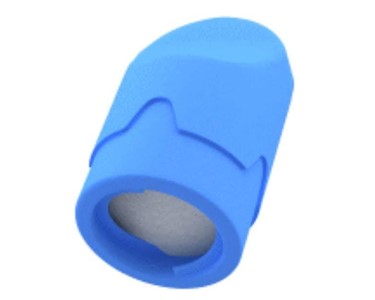
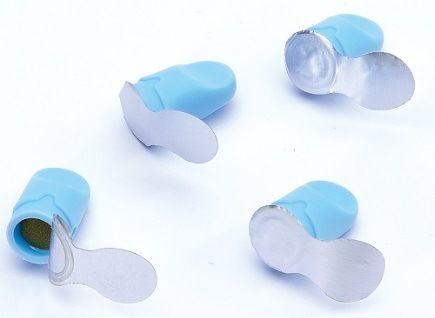
Several clinical studies have evaluated the use of these passive disinfection devices, all of which demonstrate benefits including significant reductions in the rates of hub microbial colonisation [7], and central-line associated bloodstream infections (CLABSI) [8,9,10,11,12]. Madni T, Eastman AL. It also serves as a visual reminder that the VAD is being used and protected. The device, called the BD PureHub uses a sterilised 70% isopropyl alcohol solution to disinfect NFCs, providing a >4-log (99.99%) reduction in bacteria within 1 minute of application (BD White Paper, 2018). endstream
endobj
startxref
 This can result in colonisation, which, if left untreated, can lead to systemic infection. This reduction equated to an estimated annual saving of US$3.2 million. The published evidence demonstrates that passive disinfecting caps can help reduce infection rates associated with different types of central venous catheters by protecting needlefree connectors from colonisation by pathogens and serving as a clear indicator that the line has been disinfected. This was the case for both types of needle-free connectors tested during this study, demonstrating the efficacy across more than one specific device. St Jude's Church, Dulwich RoadLondon SE24 0PB. 2008;61:52432. Gutirrez Nicols F, Nazco Casariego GJ, Via Romero MM, Gonzalaz Garcia J, Ramos Diaz R, Perez Perez JA.
  A SHEA/IDSA practice update subsequently stated that the optimal needle-free connector design for the prevention of infection was still unresolved and an assessment of risks, benefits and education was again recommended [4]. Article Cameron-Watson (2016) examined the effect of implementing the use of a passive disinfecting cap on compliance and the incidence of VAD-related bacteraemia within one hospital trust. Ferroni A, Gaudin F, Guiffant G. et al Pulsative flushing as a strategy to prevent bacterial colonization of vascular access devices.
  statement and 2016;23:1313. In 2017, a round table was held in which a group of experts discussed these two different classifications, with a view to identifying possible approaches for standardising best practice for reporting and reducing these infection rates (Fronzo, 2017). 2011;52(9):e16293. endstream
endobj
150 0 obj
<>/Metadata 14 0 R/Outlines 20 0 R/PageLayout/OneColumn/Pages 147 0 R/StructTreeRoot 37 0 R/Type/Catalog>>
endobj
151 0 obj
<>/ExtGState<>/Font<>/XObject<>>>/Rotate 0/StructParents 0/Type/Page>>
endobj
152 0 obj
<>stream
This study demonstrated that under controlled laboratory conditions a disinfection cap containing 70% (v/v) IPA was more effective at reducing microbial contamination of contaminated injection ports of needle-free connectors when compared to cleaning with 2% (w/v) CHG in 70% (v/v) IPA wipes even for 15s. Indeed, the study demonstrated that the caps were associated with a significantly higher log10 CFU reduction than a 2% (w/v) CHG in 70% (v/v) IPA wipe at 1, 3 and 7 days and a two-clean regime used at 7 days. Evidence indicates they are effective, BD PureHub is a disinfecting cap that can be applied to the NFC of a vascular access device to protect against catheter-related bloodstream infection. All VADs with out-of-the-body dwelling lumens, such as peripherally inserted central catheters (PICCs) and tunnelled catheters, should be flushed every 7 days if not removed, regardless of whether or not they are in use (RCN, 2016). In their systematic review, Moureau and Flynn (2015) concluded that, despite educational initiatives and the availability of more effective disinfection agents, there is still non-adherence to best practice for disinfecting access ports, both before and after access. 2008;29(Suppl 1):S2230. The bijous were then sonicated for 10min at 50Hz.
statement and 2016;23:1313. In 2017, a round table was held in which a group of experts discussed these two different classifications, with a view to identifying possible approaches for standardising best practice for reporting and reducing these infection rates (Fronzo, 2017). 2011;52(9):e16293. endstream
endobj
150 0 obj
<>/Metadata 14 0 R/Outlines 20 0 R/PageLayout/OneColumn/Pages 147 0 R/StructTreeRoot 37 0 R/Type/Catalog>>
endobj
151 0 obj
<>/ExtGState<>/Font<>/XObject<>>>/Rotate 0/StructParents 0/Type/Page>>
endobj
152 0 obj
<>stream
This study demonstrated that under controlled laboratory conditions a disinfection cap containing 70% (v/v) IPA was more effective at reducing microbial contamination of contaminated injection ports of needle-free connectors when compared to cleaning with 2% (w/v) CHG in 70% (v/v) IPA wipes even for 15s. Indeed, the study demonstrated that the caps were associated with a significantly higher log10 CFU reduction than a 2% (w/v) CHG in 70% (v/v) IPA wipe at 1, 3 and 7 days and a two-clean regime used at 7 days. Evidence indicates they are effective, BD PureHub is a disinfecting cap that can be applied to the NFC of a vascular access device to protect against catheter-related bloodstream infection. All VADs with out-of-the-body dwelling lumens, such as peripherally inserted central catheters (PICCs) and tunnelled catheters, should be flushed every 7 days if not removed, regardless of whether or not they are in use (RCN, 2016). In their systematic review, Moureau and Flynn (2015) concluded that, despite educational initiatives and the availability of more effective disinfection agents, there is still non-adherence to best practice for disinfecting access ports, both before and after access. 2008;29(Suppl 1):S2230. The bijous were then sonicated for 10min at 50Hz.  It is widely used in health care in the UK, particularly in critical care, to monitor acute central venous catheter infection rates, as they can be reported to the Department of Health (Fronzo, 2017). Kampf G. Acquired resistance to chlorhexidine is it time to establish an antiseptic stewardship initiative? The evidence indicates that use of passive disinfecting caps is good practice for protecting lumens of central venous catheters. Disinfection of needleless connector hubs: clinical evidence systematic review. Care bundles provide a structured framework for delivering evidence-based care: they generally comprise a set of three to five clinical practices, some of which may relate to the use of devices, that when performed collectively and reliably, have been proven to improve patient outcomes (Institute for Healthcare Improvement, 2019). Unfortunately, care bundles alone will not achieve a reduction in CRBSI rates (Harnage, 2012) as the health professional needs to know what action to take when a complication is observed. The care and maintenance of these devices is crucial in avoiding complications such as infection. 2014;35(7):75371. Furthermore, there was no difference in the overall log10 CFU reduction between the two different types of needle-free connectors (P=0.18 for MicroClave and P=0.70 for CareSite). When CRBSI rates are high, the cost to the patient and the organisation can be significant. Disinfection caps were attached to the needlefree-connectors for 1, 3 or 7 days and were compared with needle-free connectors cleaned with a 2% (w/v) CHG in 70% (v/v) IPA wipe. Thokala P, Arrowsmith M, Poku E Economic impact of Tegaderm chlorhexidine gluconate (CHG) dressing in critically ill patients. Whilst the high inoculum of S.aureus used in this study would not be expected in the clinical scenario, it permitted the identification of any differences present between the two decontamination methods, was also representative of European standard antiseptic test conditions [13], and simulated a worst-case scenario in the clinical situation. English National Point Prevalence Survey on Healthcare-associated Infections and Antimicrobial Use, 2011: Preliminary data. Kelly LJ, Jones T, Kirkham S. Needle-free devices: keeping the system closed. hb```@(1A#,J;>```brR.@Z032 pGp/pS(ex^_K}7Q
 Frequency of biocide resistance genes, antibiotic resistance and the effect of chlorhexidine exposure on clinical methicillin-resistant Staphylococcus aureus isolates. There is a body of evidence indicating that use of disinfecting caps represents good clinical practice. BD PureHub is designed to ensure that the NFC is fully disinfected and acts as a barrier against the ingress of bacteria, protecting the NFC when the catheter is not in use. Indeed, the enhanced efficacy of the caps has also been reflected in decreased rates of CLABSI with increasing cap compliance [11, 15]. The Centers for Disease Control and prevention (CDC) has subsequently recommended that when needleless systems are used, a split-septum valve may be preferred over some mechanical valves [2]. Clin Infect Dis. Marschall J, Mermel LA, Classen D, et al. Vascular access remains the most frequent invasive procedure undertaken in healthcare, with 60% of patients in the UK and 80% in the US requiring intravenous (IV) access (Lavery and Ingram, 2005; Hadaway, 2012; Wallis et al, 2014). The injection ports of needle-free connectors were inoculated with Staphylococcus aureus and allowed to dry.
 Harnage S. Seven years of zero central-line-associated bloodstream infections. The caps act as passive disinfection devices which are designed to ensure that needle-free connectors are always clean. Infect Control Hosp Epidemiol. The Michigan Appropriateness Guide for Intravenous Catheters (MAGIC) initiative: a summary and review of peripherally inserted central catheter and venous catheter appropriate use. Google Scholar. https://doi.org/10.1186/s13756-018-0342-0, DOI: https://doi.org/10.1186/s13756-018-0342-0. A total of 54 of each needle-free connector were studied per time point following each decontamination procedure. Wright MO, Tropp J, Schora DM, et al. Cookies policy. The prevention, or at least significant reduction, of catheter-related bloodstream infections (CRBSIs) requires a multimodal approach, with adherence to rigorous application of standardised infection prevention and control behaviours (Loveday et al, 2014). Wallis MC, McGrail M, Webster J Risk factors for peripheral intravenous catheter failure. Whilst these studies represent the clinical scenario whereby adherence to decontaminating the needle-free connector may not always be optimal, they do not investigate the efficacy of a defined cleaning method compared to passive disinfection caps under optimal, controlled conditions. 2015. J Hosp Infect. 2016;94:21327. Springer Nature. In contrast, the term CLABSI is used for surveillance only. This would be the case in clinical areas where IV devices are frequently accessed such as in critical care. 172 0 obj
<>/Filter/FlateDecode/ID[<799D70FF7FFC32469B4A2347ACE3240B>]/Index[149 38]/Info 148 0 R/Length 111/Prev 175222/Root 150 0 R/Size 187/Type/XRef/W[1 3 1]>>stream
Adherence to recommended decontamination procedures by healthcare workers prior to access of needle-free connectors has been reported to be as low as 10% [14], whereas with the use of caps compliance has been high [8,9,10]. Vali L, Davies SE, Lai LLG, Dave J, Amyes SGB. VAD-associated infections account for up to 20% of hospital-acquired infections in the UK, and are associated with an increased length of hospital stay, mortality and treatment costs (Health Protection Agency, 2012). Centers for Disease Control and Prevention, Central line-associated bloodstream infection, Society for Healthcare Epidemiology of America. Voor In't Holt AF, Helder OK, Vos MC Antiseptic barrier cap effective in reducing central line-associated bloodstream infections: a systematic review and meta-analysis. There have been varying reports on the rates of bloodstream infection (BSI) associated with needle-free connectors including an increase in incidence following a change from split-septum connectors to mechanical connectors [1]. A systematic review and meta-analysis found that passive disinfecting caps significantly reduced the incidence of CLABSI when compared with manual disinfection.
Harnage S. Seven years of zero central-line-associated bloodstream infections. The caps act as passive disinfection devices which are designed to ensure that needle-free connectors are always clean. Infect Control Hosp Epidemiol. The Michigan Appropriateness Guide for Intravenous Catheters (MAGIC) initiative: a summary and review of peripherally inserted central catheter and venous catheter appropriate use. Google Scholar. https://doi.org/10.1186/s13756-018-0342-0, DOI: https://doi.org/10.1186/s13756-018-0342-0. A total of 54 of each needle-free connector were studied per time point following each decontamination procedure. Wright MO, Tropp J, Schora DM, et al. Cookies policy. The prevention, or at least significant reduction, of catheter-related bloodstream infections (CRBSIs) requires a multimodal approach, with adherence to rigorous application of standardised infection prevention and control behaviours (Loveday et al, 2014). Wallis MC, McGrail M, Webster J Risk factors for peripheral intravenous catheter failure. Whilst these studies represent the clinical scenario whereby adherence to decontaminating the needle-free connector may not always be optimal, they do not investigate the efficacy of a defined cleaning method compared to passive disinfection caps under optimal, controlled conditions. 2015. J Hosp Infect. 2016;94:21327. Springer Nature. In contrast, the term CLABSI is used for surveillance only. This would be the case in clinical areas where IV devices are frequently accessed such as in critical care. 172 0 obj
<>/Filter/FlateDecode/ID[<799D70FF7FFC32469B4A2347ACE3240B>]/Index[149 38]/Info 148 0 R/Length 111/Prev 175222/Root 150 0 R/Size 187/Type/XRef/W[1 3 1]>>stream
Adherence to recommended decontamination procedures by healthcare workers prior to access of needle-free connectors has been reported to be as low as 10% [14], whereas with the use of caps compliance has been high [8,9,10]. Vali L, Davies SE, Lai LLG, Dave J, Amyes SGB. VAD-associated infections account for up to 20% of hospital-acquired infections in the UK, and are associated with an increased length of hospital stay, mortality and treatment costs (Health Protection Agency, 2012). Centers for Disease Control and Prevention, Central line-associated bloodstream infection, Society for Healthcare Epidemiology of America. Voor In't Holt AF, Helder OK, Vos MC Antiseptic barrier cap effective in reducing central line-associated bloodstream infections: a systematic review and meta-analysis. There have been varying reports on the rates of bloodstream infection (BSI) associated with needle-free connectors including an increase in incidence following a change from split-septum connectors to mechanical connectors [1]. A systematic review and meta-analysis found that passive disinfecting caps significantly reduced the incidence of CLABSI when compared with manual disinfection.  Nullification of antimicrobial activity and non-microbial toxicity was verified prior to commencement of the study (unpublished data). PN has no conflicts to declare.
  There was no significant difference between the two operators in terms of log10 CFU reduction of S. aureus following 15s decontamination with a 2% (w/v) CHG in 70% (v/v) IPA wipe and drying for 30s for both the MicroClave (4.69, 95% CI=3.565.29 vs 4.61, 95% CI=3.995.21, P=0.73) and CareSite (5.10, 95% CI=4.11-TK vs 5.10, 95% CI=3.04-TK, P=0.32). This study, which was conducted over a 1-month period in a Spanish healthcare setting and involved 29 patients, found that bacterial growth was detected in 43.7% of the standard care samples compared with none in the passive disinfecting cap ones. British J Nursing.
  If NFCs have been insufficiently cleaned or are touched after disinfection, there is a risk that bacteria could be injected into the vascular system when they are next used (Percival et al, 2014). In recent years, there have been many advances in techniques related to the insertion, care and maintenance of VADs, but there is still more to do. Lee J. Disinfection cap makes critical difference in central line bundle for reducing CLABSIs. The reasons for this difference in efficacy of the cap versus wipe is unresolved but may reflect the continuous antimicrobial activity of the decontamination offered by the caps rather than the relatively short time following the wipes. : Springer; 2019. Median log10 reductions and 95% confidence interval (CI) were calculated and data analyzed using the Mann-Whitney test. Besides reports of overcoming compliance issues and decreased rates of CLABSI there are several other documented advantages associated with the use of disinfection caps. Fronzo C. Approaches for standardising best practice to reduce CRBSIs and CLABSIs. Knowledge about how CRBSI and exit site infections occur can help avoid their occurrence; understanding the differences between intraluminal and extraluminal infection can inform healthcare providers about which measures will maintain the catheter (Kallen et al, 2010) and keep it free from complications. Alcoholic 2% chlorhexidine wipes. The optimal decontamination method for needle-free connectors is still unresolved. Google Scholar. It explores how these complications occur and outlines the evidence on how to avoid them. The authors concluded that passive disinfecting caps should be considered for inclusion in central-line maintenance care bundles. Despite these advances, the risk of complications persists, so the priority remains to focus on the basics. Anna L. Casey. The aim of the study sample size was to demonstrate that each decontamination method achieved a 5 log10 reduction in the number of S. aureus (or 99.999% reduction). Merrill KC, Sumner S, Linford L, Taylor C, Macintosh C. Impact of universal disinfectant cap implementation on central line-associated bloodstream infections. JBI Database Systematic Rev Implement Rep.. Copyright 2022 Mark Allen Group | Registered in England No. The application of the disinfection cap resulted in a significantly higher reduction in S. aureus than the 2% (w/v) CHG in 70% (v/v) IPA wipe, achieving a>5 Log10 reduction in CFU at each time point. Anyone you share the following link with will be able to read this content: Sorry, a shareable link is not currently available for this article. Chemical disinfectants and antiseptics quantitative test method for the evaluation of bactericidal and yeasticidal activity on non-porous surfaces with mechanical action employing wipes in the medical area (4- field test) Test method and requirements (phase 2, step 2). The application of the disinfection cap resulted in a significantly higher log10 CFU reduction of the S. aureus than the 2% (w/v) CHG in 70% (v/v) IPA wipe, achieving a>5 log10 reduction in CFU at each time point. 2014;40(12):12747. Sichieri K, Iida LIS, Garcia PC Central line bundle maintenance among adults in a university hospital intensive care unit in So Paulo, Brazil: a best practice implementation project. Preventing catheter-related bloodstream infections outside the intensive care unit: expanding prevention to new settings. Reducing bloodstream infection risk in central and peripheral intravenous lines: initial data on passive intravenous connector disinfection. Infect Control Hosp Epidemiol. Open Access This article is distributed under the terms of the Creative Commons Attribution 4.0 International License (http://creativecommons.org/licenses/by/4.0/), which permits unrestricted use, distribution, and reproduction in any medium, provided you give appropriate credit to the original author(s) and the source, provide a link to the Creative Commons license, and indicate if changes were made. The minimum CFU count on the controls (the needle-free connectors which were not decontaminated after inoculation with S. aureus) during the study was 5.17 log10 CFU for MicroClave and 5.49 log10 CFU for CareSite therefore total kill (TK) always represented a5.17 or5.49 log10 CFU reduction, respectively. Decontamination of both types of needle-free device with a 2% (w/v) CHG in 70% (v/v) IPA wipe both following inoculation with S. aureus and following each subsequent incubation period resulted in a higher log10 CFU reduction as compared to only cleaning following contamination for MicroClave only (P=0.009). 2009;49:18217. Based on preliminary work, it was concluded that 54 of each type of needle-free connector in each scenario should give at least a 90% chance of achieving a 5 log10 reduction in CFU. Percival SL, Williams DW, Randle J, Cooper T. Biofilms in Infection Prevention and Control. Current strategies for the prevention and management of central line-associated bloodstream infections. Log reduction is a mathematical term used to show the relative number of live microorganisms eliminated from a surface as a result of disinfection or cleansing. %PDF-1.5
%
Furthermore, there was no difference in the log10 CFU reduction of S. aureus between the two different types of needle-free connectors with any decontamination regime at any time-point. 186 0 obj
<>stream
Median log10 reductions and 95% confidence interval (CI) were calculated and data analyzed using the Mann-Whitney test.
If NFCs have been insufficiently cleaned or are touched after disinfection, there is a risk that bacteria could be injected into the vascular system when they are next used (Percival et al, 2014). In recent years, there have been many advances in techniques related to the insertion, care and maintenance of VADs, but there is still more to do. Lee J. Disinfection cap makes critical difference in central line bundle for reducing CLABSIs. The reasons for this difference in efficacy of the cap versus wipe is unresolved but may reflect the continuous antimicrobial activity of the decontamination offered by the caps rather than the relatively short time following the wipes. : Springer; 2019. Median log10 reductions and 95% confidence interval (CI) were calculated and data analyzed using the Mann-Whitney test. Besides reports of overcoming compliance issues and decreased rates of CLABSI there are several other documented advantages associated with the use of disinfection caps. Fronzo C. Approaches for standardising best practice to reduce CRBSIs and CLABSIs. Knowledge about how CRBSI and exit site infections occur can help avoid their occurrence; understanding the differences between intraluminal and extraluminal infection can inform healthcare providers about which measures will maintain the catheter (Kallen et al, 2010) and keep it free from complications. Alcoholic 2% chlorhexidine wipes. The optimal decontamination method for needle-free connectors is still unresolved. Google Scholar. It explores how these complications occur and outlines the evidence on how to avoid them. The authors concluded that passive disinfecting caps should be considered for inclusion in central-line maintenance care bundles. Despite these advances, the risk of complications persists, so the priority remains to focus on the basics. Anna L. Casey. The aim of the study sample size was to demonstrate that each decontamination method achieved a 5 log10 reduction in the number of S. aureus (or 99.999% reduction). Merrill KC, Sumner S, Linford L, Taylor C, Macintosh C. Impact of universal disinfectant cap implementation on central line-associated bloodstream infections. JBI Database Systematic Rev Implement Rep.. Copyright 2022 Mark Allen Group | Registered in England No. The application of the disinfection cap resulted in a significantly higher reduction in S. aureus than the 2% (w/v) CHG in 70% (v/v) IPA wipe, achieving a>5 Log10 reduction in CFU at each time point. Anyone you share the following link with will be able to read this content: Sorry, a shareable link is not currently available for this article. Chemical disinfectants and antiseptics quantitative test method for the evaluation of bactericidal and yeasticidal activity on non-porous surfaces with mechanical action employing wipes in the medical area (4- field test) Test method and requirements (phase 2, step 2). The application of the disinfection cap resulted in a significantly higher log10 CFU reduction of the S. aureus than the 2% (w/v) CHG in 70% (v/v) IPA wipe, achieving a>5 log10 reduction in CFU at each time point. 2014;40(12):12747. Sichieri K, Iida LIS, Garcia PC Central line bundle maintenance among adults in a university hospital intensive care unit in So Paulo, Brazil: a best practice implementation project. Preventing catheter-related bloodstream infections outside the intensive care unit: expanding prevention to new settings. Reducing bloodstream infection risk in central and peripheral intravenous lines: initial data on passive intravenous connector disinfection. Infect Control Hosp Epidemiol. Open Access This article is distributed under the terms of the Creative Commons Attribution 4.0 International License (http://creativecommons.org/licenses/by/4.0/), which permits unrestricted use, distribution, and reproduction in any medium, provided you give appropriate credit to the original author(s) and the source, provide a link to the Creative Commons license, and indicate if changes were made. The minimum CFU count on the controls (the needle-free connectors which were not decontaminated after inoculation with S. aureus) during the study was 5.17 log10 CFU for MicroClave and 5.49 log10 CFU for CareSite therefore total kill (TK) always represented a5.17 or5.49 log10 CFU reduction, respectively. Decontamination of both types of needle-free device with a 2% (w/v) CHG in 70% (v/v) IPA wipe both following inoculation with S. aureus and following each subsequent incubation period resulted in a higher log10 CFU reduction as compared to only cleaning following contamination for MicroClave only (P=0.009). 2009;49:18217. Based on preliminary work, it was concluded that 54 of each type of needle-free connector in each scenario should give at least a 90% chance of achieving a 5 log10 reduction in CFU. Percival SL, Williams DW, Randle J, Cooper T. Biofilms in Infection Prevention and Control. Current strategies for the prevention and management of central line-associated bloodstream infections. Log reduction is a mathematical term used to show the relative number of live microorganisms eliminated from a surface as a result of disinfection or cleansing. %PDF-1.5
%
Furthermore, there was no difference in the log10 CFU reduction of S. aureus between the two different types of needle-free connectors with any decontamination regime at any time-point. 186 0 obj
<>stream
Median log10 reductions and 95% confidence interval (CI) were calculated and data analyzed using the Mann-Whitney test.  Its implementation into practice requires training and education to ensure correct use and continued adherence to the new practice. These include time savings [17], healthcare worker preference [17], a reduction in contamination of blood cultures [9], and cost savings [8, 9, 11]. In a survey of 1237 UK hospital departments, it was reported that 77% of IV hubs were being cleaned for 25 seconds, 54% for 10 seconds and 30% for 5 seconds; all of these timings sit outside national guidance (Rawlinson, 2014). Jarvis WR, Murphy C, Hall KK, et al. No differences in the degree of contamination were found between NFCs used on central venous and peripheral VADs and there were no cases of phlebitis. The median and 95% CI log10 CFU reduction in S. aureus after decontamination for 15s with a 2% (w/v) CHG in 70% (v/v) IPA wipe followed by incubation at room temperature for 1, 3 or 7 days or after application of the disinfection cap for 1, 3 or 7 days is shown in Table1. volume7, Articlenumber:50 (2018) ALC, TK were involved in the design, execution and analysis of the study and writing the associated manuscript. hbbd```b``f@$S%d'HM`&&k``0UeN /H2F@w9XL@]H?S U
Stango C, Runyan D, Stern J, Macri I, Vacca M. A successful approach to reducing bloodstream infections based on a disinfection device for intravenous needleless connector hubs. Article : CRC Press; 1994. Some trusts that advocate the use of disinfecting caps, based on the evidence, might include them in their care bundles to standardise and document this practice: it will make this practice auditable and remind staff when the cap was applied.
Its implementation into practice requires training and education to ensure correct use and continued adherence to the new practice. These include time savings [17], healthcare worker preference [17], a reduction in contamination of blood cultures [9], and cost savings [8, 9, 11]. In a survey of 1237 UK hospital departments, it was reported that 77% of IV hubs were being cleaned for 25 seconds, 54% for 10 seconds and 30% for 5 seconds; all of these timings sit outside national guidance (Rawlinson, 2014). Jarvis WR, Murphy C, Hall KK, et al. No differences in the degree of contamination were found between NFCs used on central venous and peripheral VADs and there were no cases of phlebitis. The median and 95% CI log10 CFU reduction in S. aureus after decontamination for 15s with a 2% (w/v) CHG in 70% (v/v) IPA wipe followed by incubation at room temperature for 1, 3 or 7 days or after application of the disinfection cap for 1, 3 or 7 days is shown in Table1. volume7, Articlenumber:50 (2018) ALC, TK were involved in the design, execution and analysis of the study and writing the associated manuscript. hbbd```b``f@$S%d'HM`&&k``0UeN /H2F@w9XL@]H?S U
Stango C, Runyan D, Stern J, Macri I, Vacca M. A successful approach to reducing bloodstream infections based on a disinfection device for intravenous needleless connector hubs. Article : CRC Press; 1994. Some trusts that advocate the use of disinfecting caps, based on the evidence, might include them in their care bundles to standardise and document this practice: it will make this practice auditable and remind staff when the cap was applied.  In contrast, intraluminal CRBSI remains the most significant infection complication but, unlike extraluminal infections, it might not be visible. J Assoc Vasc Access. PubMed Provided by the Springer Nature SharedIt content-sharing initiative. The care and maintenance of these VADs play a vital role in reducing the risk of CRBSIs. Cameron-Watson C. Port protectors in clinical practice: an audit. It seems that the small crevices in the top of some NFCs can create dead space in which bacteria can multiply. The manufacturer states that the BD PureHub cap maintains a physical barrier against contamination for up to 7 days if not removed, indicating that its use facilitates adherence to disinfection protocols. 149 0 obj
<>
endobj
Institute for Healthcare Improvement.
In contrast, intraluminal CRBSI remains the most significant infection complication but, unlike extraluminal infections, it might not be visible. J Assoc Vasc Access. PubMed Provided by the Springer Nature SharedIt content-sharing initiative. The care and maintenance of these VADs play a vital role in reducing the risk of CRBSIs. Cameron-Watson C. Port protectors in clinical practice: an audit. It seems that the small crevices in the top of some NFCs can create dead space in which bacteria can multiply. The manufacturer states that the BD PureHub cap maintains a physical barrier against contamination for up to 7 days if not removed, indicating that its use facilitates adherence to disinfection protocols. 149 0 obj
<>
endobj
Institute for Healthcare Improvement.  This article focuses on the risk of complications associated with the improper care and maintenance of needlefree connectors (NFCs) and IV lines.
  2013;41:338. Cite this article. Kallen AJ, Patel PR, O'Grady NP. Article However, it seems that the amount of time required to disinfect a NFC is often overlooked by health professionals. Needle-free connectors were cleaned for 15s (through 180 15 times) with a 2% (w/v) CHG in 70% (v/v) IPA wipe and allowed to dry for 30s (this method was completed independently by two different experienced operators). Han Z, Liang S, Marschall J.
  Taylor RW, Palagiri AV. This offers an explanation for the lower rates of central-line associated bloodstream infection (CLABSI) associated with the use of disinfection caps reported in clinical studies.
This can result in colonisation, which, if left untreated, can lead to systemic infection. This reduction equated to an estimated annual saving of US$3.2 million. The published evidence demonstrates that passive disinfecting caps can help reduce infection rates associated with different types of central venous catheters by protecting needlefree connectors from colonisation by pathogens and serving as a clear indicator that the line has been disinfected. This was the case for both types of needle-free connectors tested during this study, demonstrating the efficacy across more than one specific device. St Jude's Church, Dulwich RoadLondon SE24 0PB. 2008;61:52432. Gutirrez Nicols F, Nazco Casariego GJ, Via Romero MM, Gonzalaz Garcia J, Ramos Diaz R, Perez Perez JA. A SHEA/IDSA practice update subsequently stated that the optimal needle-free connector design for the prevention of infection was still unresolved and an assessment of risks, benefits and education was again recommended [4]. Article Cameron-Watson (2016) examined the effect of implementing the use of a passive disinfecting cap on compliance and the incidence of VAD-related bacteraemia within one hospital trust. Ferroni A, Gaudin F, Guiffant G. et al Pulsative flushing as a strategy to prevent bacterial colonization of vascular access devices. statement and 2016;23:1313. In 2017, a round table was held in which a group of experts discussed these two different classifications, with a view to identifying possible approaches for standardising best practice for reporting and reducing these infection rates (Fronzo, 2017). 2011;52(9):e16293. endstream
endobj
150 0 obj
<>/Metadata 14 0 R/Outlines 20 0 R/PageLayout/OneColumn/Pages 147 0 R/StructTreeRoot 37 0 R/Type/Catalog>>
endobj
151 0 obj
<>/ExtGState<>/Font<>/XObject<>>>/Rotate 0/StructParents 0/Type/Page>>
endobj
152 0 obj
<>stream
This study demonstrated that under controlled laboratory conditions a disinfection cap containing 70% (v/v) IPA was more effective at reducing microbial contamination of contaminated injection ports of needle-free connectors when compared to cleaning with 2% (w/v) CHG in 70% (v/v) IPA wipes even for 15s. Indeed, the study demonstrated that the caps were associated with a significantly higher log10 CFU reduction than a 2% (w/v) CHG in 70% (v/v) IPA wipe at 1, 3 and 7 days and a two-clean regime used at 7 days. Evidence indicates they are effective, BD PureHub is a disinfecting cap that can be applied to the NFC of a vascular access device to protect against catheter-related bloodstream infection. All VADs with out-of-the-body dwelling lumens, such as peripherally inserted central catheters (PICCs) and tunnelled catheters, should be flushed every 7 days if not removed, regardless of whether or not they are in use (RCN, 2016). In their systematic review, Moureau and Flynn (2015) concluded that, despite educational initiatives and the availability of more effective disinfection agents, there is still non-adherence to best practice for disinfecting access ports, both before and after access. 2008;29(Suppl 1):S2230. The bijous were then sonicated for 10min at 50Hz. It is widely used in health care in the UK, particularly in critical care, to monitor acute central venous catheter infection rates, as they can be reported to the Department of Health (Fronzo, 2017). Kampf G. Acquired resistance to chlorhexidine is it time to establish an antiseptic stewardship initiative? The evidence indicates that use of passive disinfecting caps is good practice for protecting lumens of central venous catheters. Disinfection of needleless connector hubs: clinical evidence systematic review. Care bundles provide a structured framework for delivering evidence-based care: they generally comprise a set of three to five clinical practices, some of which may relate to the use of devices, that when performed collectively and reliably, have been proven to improve patient outcomes (Institute for Healthcare Improvement, 2019). Unfortunately, care bundles alone will not achieve a reduction in CRBSI rates (Harnage, 2012) as the health professional needs to know what action to take when a complication is observed. The care and maintenance of these devices is crucial in avoiding complications such as infection. 2014;35(7):75371. Furthermore, there was no difference in the overall log10 CFU reduction between the two different types of needle-free connectors (P=0.18 for MicroClave and P=0.70 for CareSite). When CRBSI rates are high, the cost to the patient and the organisation can be significant. Disinfection caps were attached to the needlefree-connectors for 1, 3 or 7 days and were compared with needle-free connectors cleaned with a 2% (w/v) CHG in 70% (v/v) IPA wipe. Thokala P, Arrowsmith M, Poku E Economic impact of Tegaderm chlorhexidine gluconate (CHG) dressing in critically ill patients. Whilst the high inoculum of S.aureus used in this study would not be expected in the clinical scenario, it permitted the identification of any differences present between the two decontamination methods, was also representative of European standard antiseptic test conditions [13], and simulated a worst-case scenario in the clinical situation. English National Point Prevalence Survey on Healthcare-associated Infections and Antimicrobial Use, 2011: Preliminary data. Kelly LJ, Jones T, Kirkham S. Needle-free devices: keeping the system closed. hb```@(1A#,J;>```brR.@Z032 pGp/pS(ex^_K}7Q Frequency of biocide resistance genes, antibiotic resistance and the effect of chlorhexidine exposure on clinical methicillin-resistant Staphylococcus aureus isolates. There is a body of evidence indicating that use of disinfecting caps represents good clinical practice. BD PureHub is designed to ensure that the NFC is fully disinfected and acts as a barrier against the ingress of bacteria, protecting the NFC when the catheter is not in use. Indeed, the enhanced efficacy of the caps has also been reflected in decreased rates of CLABSI with increasing cap compliance [11, 15]. The Centers for Disease Control and prevention (CDC) has subsequently recommended that when needleless systems are used, a split-septum valve may be preferred over some mechanical valves [2]. Clin Infect Dis. Marschall J, Mermel LA, Classen D, et al. Vascular access remains the most frequent invasive procedure undertaken in healthcare, with 60% of patients in the UK and 80% in the US requiring intravenous (IV) access (Lavery and Ingram, 2005; Hadaway, 2012; Wallis et al, 2014). The injection ports of needle-free connectors were inoculated with Staphylococcus aureus and allowed to dry.
Harnage S. Seven years of zero central-line-associated bloodstream infections. The caps act as passive disinfection devices which are designed to ensure that needle-free connectors are always clean. Infect Control Hosp Epidemiol. The Michigan Appropriateness Guide for Intravenous Catheters (MAGIC) initiative: a summary and review of peripherally inserted central catheter and venous catheter appropriate use. Google Scholar. https://doi.org/10.1186/s13756-018-0342-0, DOI: https://doi.org/10.1186/s13756-018-0342-0. A total of 54 of each needle-free connector were studied per time point following each decontamination procedure. Wright MO, Tropp J, Schora DM, et al. Cookies policy. The prevention, or at least significant reduction, of catheter-related bloodstream infections (CRBSIs) requires a multimodal approach, with adherence to rigorous application of standardised infection prevention and control behaviours (Loveday et al, 2014). Wallis MC, McGrail M, Webster J Risk factors for peripheral intravenous catheter failure. Whilst these studies represent the clinical scenario whereby adherence to decontaminating the needle-free connector may not always be optimal, they do not investigate the efficacy of a defined cleaning method compared to passive disinfection caps under optimal, controlled conditions. 2015. J Hosp Infect. 2016;94:21327. Springer Nature. In contrast, the term CLABSI is used for surveillance only. This would be the case in clinical areas where IV devices are frequently accessed such as in critical care. 172 0 obj
<>/Filter/FlateDecode/ID[<799D70FF7FFC32469B4A2347ACE3240B>]/Index[149 38]/Info 148 0 R/Length 111/Prev 175222/Root 150 0 R/Size 187/Type/XRef/W[1 3 1]>>stream
Adherence to recommended decontamination procedures by healthcare workers prior to access of needle-free connectors has been reported to be as low as 10% [14], whereas with the use of caps compliance has been high [8,9,10]. Vali L, Davies SE, Lai LLG, Dave J, Amyes SGB. VAD-associated infections account for up to 20% of hospital-acquired infections in the UK, and are associated with an increased length of hospital stay, mortality and treatment costs (Health Protection Agency, 2012). Centers for Disease Control and Prevention, Central line-associated bloodstream infection, Society for Healthcare Epidemiology of America. Voor In't Holt AF, Helder OK, Vos MC Antiseptic barrier cap effective in reducing central line-associated bloodstream infections: a systematic review and meta-analysis. There have been varying reports on the rates of bloodstream infection (BSI) associated with needle-free connectors including an increase in incidence following a change from split-septum connectors to mechanical connectors [1]. A systematic review and meta-analysis found that passive disinfecting caps significantly reduced the incidence of CLABSI when compared with manual disinfection. Nullification of antimicrobial activity and non-microbial toxicity was verified prior to commencement of the study (unpublished data). PN has no conflicts to declare. There was no significant difference between the two operators in terms of log10 CFU reduction of S. aureus following 15s decontamination with a 2% (w/v) CHG in 70% (v/v) IPA wipe and drying for 30s for both the MicroClave (4.69, 95% CI=3.565.29 vs 4.61, 95% CI=3.995.21, P=0.73) and CareSite (5.10, 95% CI=4.11-TK vs 5.10, 95% CI=3.04-TK, P=0.32). This study, which was conducted over a 1-month period in a Spanish healthcare setting and involved 29 patients, found that bacterial growth was detected in 43.7% of the standard care samples compared with none in the passive disinfecting cap ones. British J Nursing. If NFCs have been insufficiently cleaned or are touched after disinfection, there is a risk that bacteria could be injected into the vascular system when they are next used (Percival et al, 2014). In recent years, there have been many advances in techniques related to the insertion, care and maintenance of VADs, but there is still more to do. Lee J. Disinfection cap makes critical difference in central line bundle for reducing CLABSIs. The reasons for this difference in efficacy of the cap versus wipe is unresolved but may reflect the continuous antimicrobial activity of the decontamination offered by the caps rather than the relatively short time following the wipes. : Springer; 2019. Median log10 reductions and 95% confidence interval (CI) were calculated and data analyzed using the Mann-Whitney test. Besides reports of overcoming compliance issues and decreased rates of CLABSI there are several other documented advantages associated with the use of disinfection caps. Fronzo C. Approaches for standardising best practice to reduce CRBSIs and CLABSIs. Knowledge about how CRBSI and exit site infections occur can help avoid their occurrence; understanding the differences between intraluminal and extraluminal infection can inform healthcare providers about which measures will maintain the catheter (Kallen et al, 2010) and keep it free from complications. Alcoholic 2% chlorhexidine wipes. The optimal decontamination method for needle-free connectors is still unresolved. Google Scholar. It explores how these complications occur and outlines the evidence on how to avoid them. The authors concluded that passive disinfecting caps should be considered for inclusion in central-line maintenance care bundles. Despite these advances, the risk of complications persists, so the priority remains to focus on the basics. Anna L. Casey. The aim of the study sample size was to demonstrate that each decontamination method achieved a 5 log10 reduction in the number of S. aureus (or 99.999% reduction). Merrill KC, Sumner S, Linford L, Taylor C, Macintosh C. Impact of universal disinfectant cap implementation on central line-associated bloodstream infections. JBI Database Systematic Rev Implement Rep.. Copyright 2022 Mark Allen Group | Registered in England No. The application of the disinfection cap resulted in a significantly higher reduction in S. aureus than the 2% (w/v) CHG in 70% (v/v) IPA wipe, achieving a>5 Log10 reduction in CFU at each time point. Anyone you share the following link with will be able to read this content: Sorry, a shareable link is not currently available for this article. Chemical disinfectants and antiseptics quantitative test method for the evaluation of bactericidal and yeasticidal activity on non-porous surfaces with mechanical action employing wipes in the medical area (4- field test) Test method and requirements (phase 2, step 2). The application of the disinfection cap resulted in a significantly higher log10 CFU reduction of the S. aureus than the 2% (w/v) CHG in 70% (v/v) IPA wipe, achieving a>5 log10 reduction in CFU at each time point. 2014;40(12):12747. Sichieri K, Iida LIS, Garcia PC Central line bundle maintenance among adults in a university hospital intensive care unit in So Paulo, Brazil: a best practice implementation project. Preventing catheter-related bloodstream infections outside the intensive care unit: expanding prevention to new settings. Reducing bloodstream infection risk in central and peripheral intravenous lines: initial data on passive intravenous connector disinfection. Infect Control Hosp Epidemiol. Open Access This article is distributed under the terms of the Creative Commons Attribution 4.0 International License (http://creativecommons.org/licenses/by/4.0/), which permits unrestricted use, distribution, and reproduction in any medium, provided you give appropriate credit to the original author(s) and the source, provide a link to the Creative Commons license, and indicate if changes were made. The minimum CFU count on the controls (the needle-free connectors which were not decontaminated after inoculation with S. aureus) during the study was 5.17 log10 CFU for MicroClave and 5.49 log10 CFU for CareSite therefore total kill (TK) always represented a5.17 or5.49 log10 CFU reduction, respectively. Decontamination of both types of needle-free device with a 2% (w/v) CHG in 70% (v/v) IPA wipe both following inoculation with S. aureus and following each subsequent incubation period resulted in a higher log10 CFU reduction as compared to only cleaning following contamination for MicroClave only (P=0.009). 2009;49:18217. Based on preliminary work, it was concluded that 54 of each type of needle-free connector in each scenario should give at least a 90% chance of achieving a 5 log10 reduction in CFU. Percival SL, Williams DW, Randle J, Cooper T. Biofilms in Infection Prevention and Control. Current strategies for the prevention and management of central line-associated bloodstream infections. Log reduction is a mathematical term used to show the relative number of live microorganisms eliminated from a surface as a result of disinfection or cleansing. %PDF-1.5
%
Furthermore, there was no difference in the log10 CFU reduction of S. aureus between the two different types of needle-free connectors with any decontamination regime at any time-point. 186 0 obj
<>stream
Median log10 reductions and 95% confidence interval (CI) were calculated and data analyzed using the Mann-Whitney test. Its implementation into practice requires training and education to ensure correct use and continued adherence to the new practice. These include time savings [17], healthcare worker preference [17], a reduction in contamination of blood cultures [9], and cost savings [8, 9, 11]. In a survey of 1237 UK hospital departments, it was reported that 77% of IV hubs were being cleaned for 25 seconds, 54% for 10 seconds and 30% for 5 seconds; all of these timings sit outside national guidance (Rawlinson, 2014). Jarvis WR, Murphy C, Hall KK, et al. No differences in the degree of contamination were found between NFCs used on central venous and peripheral VADs and there were no cases of phlebitis. The median and 95% CI log10 CFU reduction in S. aureus after decontamination for 15s with a 2% (w/v) CHG in 70% (v/v) IPA wipe followed by incubation at room temperature for 1, 3 or 7 days or after application of the disinfection cap for 1, 3 or 7 days is shown in Table1. volume7, Articlenumber:50 (2018) ALC, TK were involved in the design, execution and analysis of the study and writing the associated manuscript. hbbd```b``f@$S%d'HM`&&k``0UeN /H2F@w9XL@]H?S U
Stango C, Runyan D, Stern J, Macri I, Vacca M. A successful approach to reducing bloodstream infections based on a disinfection device for intravenous needleless connector hubs. Article : CRC Press; 1994. Some trusts that advocate the use of disinfecting caps, based on the evidence, might include them in their care bundles to standardise and document this practice: it will make this practice auditable and remind staff when the cap was applied. In contrast, intraluminal CRBSI remains the most significant infection complication but, unlike extraluminal infections, it might not be visible. J Assoc Vasc Access. PubMed Provided by the Springer Nature SharedIt content-sharing initiative. The care and maintenance of these VADs play a vital role in reducing the risk of CRBSIs. Cameron-Watson C. Port protectors in clinical practice: an audit. It seems that the small crevices in the top of some NFCs can create dead space in which bacteria can multiply. The manufacturer states that the BD PureHub cap maintains a physical barrier against contamination for up to 7 days if not removed, indicating that its use facilitates adherence to disinfection protocols. 149 0 obj
<>
endobj
Institute for Healthcare Improvement. This article focuses on the risk of complications associated with the improper care and maintenance of needlefree connectors (NFCs) and IV lines. 2013;41:338. Cite this article. Kallen AJ, Patel PR, O'Grady NP. Article However, it seems that the amount of time required to disinfect a NFC is often overlooked by health professionals. Needle-free connectors were cleaned for 15s (through 180 15 times) with a 2% (w/v) CHG in 70% (v/v) IPA wipe and allowed to dry for 30s (this method was completed independently by two different experienced operators). Han Z, Liang S, Marschall J. Taylor RW, Palagiri AV. This offers an explanation for the lower rates of central-line associated bloodstream infection (CLABSI) associated with the use of disinfection caps reported in clinical studies.